Facial Acne: Causes,Treatment & How to Get Rid of Facial Acne

Facial acne is one of the most common skin concerns, affecting people of all ages and skin types. From occasional breakouts to more persistent acne, this can impact your skin’s appearance and your confidence.

If you’re searching for how to get rid of facial acne, the key is understanding what’s causing your breakouts and using targeted skincare that supports your skin without causing further irritation.

Our curated range of facial acne treatments includes cleansersserums and targeted solutions designed to help reduce blemishes, control oil and support clearer, healthier-looking skin.

What is Facial Acne?

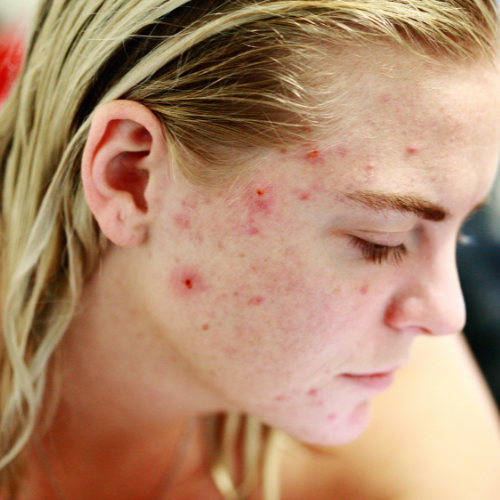
Facial acne occurs when pores become clogged with excess oil (sebum), dead skin cells and bacteria, leading to inflammation and breakouts.

It can appear in different forms, including:

  • Blackheads and whiteheads (non-inflammatory acne)
  • Papules and pustules (inflamed spots)
  • Cystic acne (deeper, more severe breakouts)

Facial acne can affect specific areas such as the forehead, cheeks, chin or jawline, often depending on underlying triggers. It can sometimes also leave behind pigmentation or acne scarring.

To support your skin: use ingredients like niacinamide and azelaic acid, introduce gentle exfoliation and protect your skin daily with SPF. A targeted routine can help improve both active acne and post-acne marks over time.
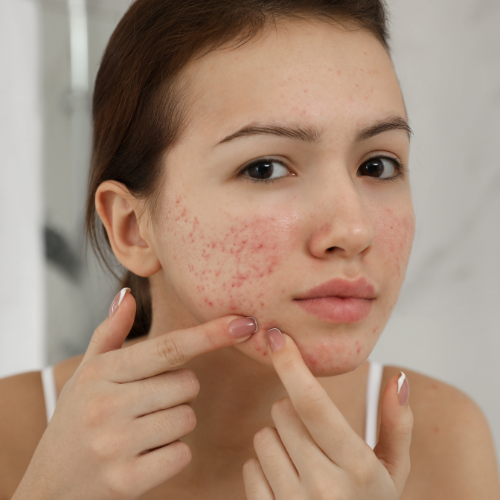
What Causes Facial Acne?

Understanding what causes acne on the face can help you choose the most effective treatment.

Common causes of facial acne include:

  • Excess Oil Production: Overactive sebaceous glands can clog pores and lead to breakouts.
  • Hormonal Changes: Fluctuations in hormones can increase oil production, contributing to hormonal acne [link to hormonal acne page once live].
  • Bacteria Build-Up: Cutibacterium acnes bacteria can trigger inflammation within clogged pores.
  • Lifestyle Factors: Stress, lack of sleep and diet may contribute to breakouts.
  • Incorrect Skincare: Using pore-clogging or harsh products can worsen facial acne and disrupt your skin barrier.
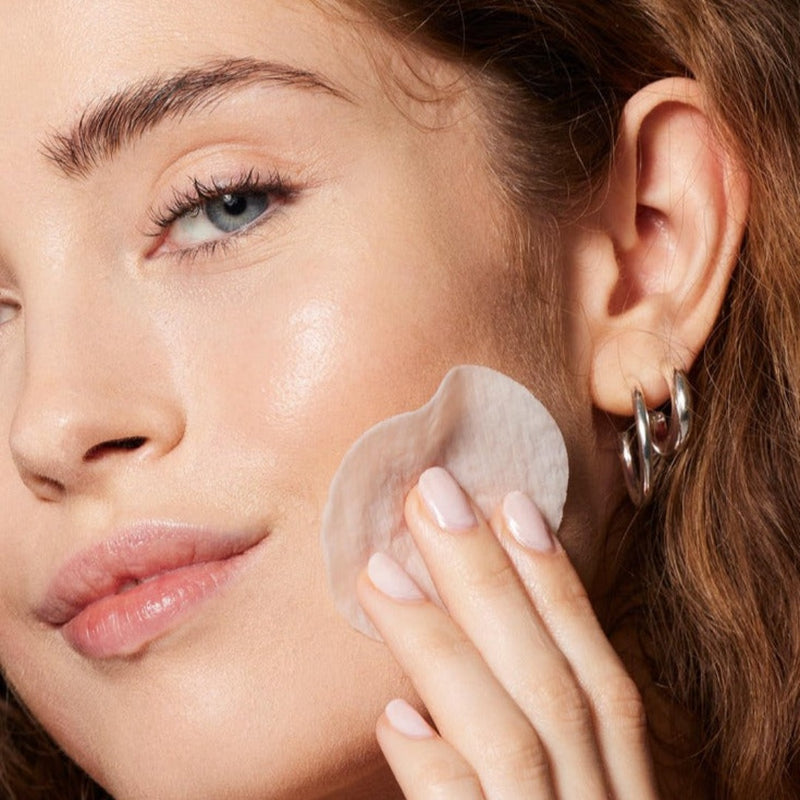
a model using a pad on her face

How to Treat Facial Acne

If you’re wondering how to treat facial acne, a consistent and balanced routine is essential for your skin.

  1. Cleanse Effectively: Use a gentle cleanser morning and evening to remove excess oil, dirt and impurities without stripping your skin.
  2. Use Targeted Ingredients: The best ingredients for facial acne include:
  • Salicylic acid to unclog pores and reduce congestion
  • Niacinamide to balance oil and calm inflammation
  • Retinoids to promote skin renewal and prevent blocked pores
  • Azelaic acid to reduce redness and support clearer skin
  • Benzoyl peroxide to target acne-causing bacteria
  1. Hydrate Your Skin: Keeping your skin hydrated helps maintain balance and prevent excess oil production.
  2. Wear SPF Daily: Sun protection helps prevent post-acne marks and supports overall skin health.
  3. Stay Consistent: Most acne treatments take 4-8 weeks to show visible improvement, so consistency is key.

How to Prevent Facial Acne

Preventing facial acne involves maintaining a consistent routine and minimising triggers:

  • Avoid over-cleansing or over-exfoliating
  • Choose non-comedogenic products
  • Remove makeup thoroughly
  • Keep hands away from your face
  • Maintain a balanced lifestyle and diet

Facial acne flare-ups can still occur, but long-term consistency is essential for clearer skin.

Acne In Different Areas Of The Face

Where blemishes appear can
sometimes offer clues, but it is not a perfect diagnosis. Breakouts are often
influenced by several factors at once.

Forehead Acne

Forehead acne is often linked to oiliness, sweat, hair products, hats, helmets, SPF, makeup or congestion.

Helpful tips include:

  • Cleanse after sweating
  • Keep heavy hair products away from the forehead
  • Avoid harsh scrubs
  • Try salicylic acid if your skin tolerates it
  • Choose lightweight, non-comedogenic SPF and moisturiser

Acne On Your Nose

Acne on your nose is often associated with oiliness, visible pores and blackheads. The nose can become congested easily because this area naturally tends to produce more oil.

Helpful tips include:

  • Use a gentle cleanser
  • Try salicylic acid for congestion
  • Avoid squeezing pores
  • Use a lightweight moisturiser
  • Wear SPF daily to protect post-blemish marks

Acne On Cheeks

Acne on cheeks can be linked to makeup, dirty makeup brushes, phone screens, pillowcases, masks, friction, skincare products or deeper inflammatory breakouts.

Helpful tips include:

  • Clean makeup brushes regularly
  • Change pillowcases often
  • Cleanse thoroughly in the evening
  • Avoid rich products if they clog your skin
  • Keep your routine calm if your cheeks are sensitive

Chin Acne And Jawline Acne

Chin acne and jawline acne are commonly associated with hormonal-looking breakouts, especially when spots flare around the same time each month. Jawline acne may also feel deeper, tender or under the skin.

Helpful tips include:

  • Keep your routine consistent across the month
  • Avoid picking or squeezing
  • Support the skin barrier
  • Consider niacinamide, azelaic acid or retinol if suitable
  • Seek expert advice if breakouts are painful, persistent or leaving marks

WHAT CAUSES FACIAL ACNE?

Facial acne is caused by clogged pores due to excess oil, dead skin cells and bacteria. Hormones, lifestyle and skincare choices can also contribute.

HOW DO YOU GET RID OF FACIAL ACNE FAST?

Reducing facial acne quickly involves using targeted ingredients like salicylic acid or benzoyl peroxide, alongside a consistent skincare routine. However, most treatments take several weeks for visible results.

WHAT IS THE BEST TREATMENT FOR FACIAL ACNE?

The best treatment includes ingredients such as salicylic acid, retinoids, niacinamide and azelaic acid, combined with gentle cleansing and daily SPF.

WHY IS MY FACIAL ACNE NOT CLEARING?

Facial acne may persist due to hormonal factors, stopping treatments too soon, inconsistent skincare, using incorrect products or ongoing triggers such as stress or diet. Mixing too many products with active ingredients can also contribute to facial acne not clearing.

CAN FACIAL ACNE GO AWAY ON ITS OWN?

Yes. Mild facial acne may improve naturally, but persistent acne usually requires targeted treatment to fully clear. Deep-rootedacne may be more difficult to treat on its own though, so reducing dairy from your diet, managing stress and having a gentle, consistent skincare routine can help treat facial acne.

HOW LONG DOES FACIAL ACNE LAST?

Some of our community note their facial acne can last days to weeks, while overall acne improvement typically takes 4-8 weeks with consistent treatment.

DOES STRESS CAUSE FACIAL ACNE?

While it may not be a direct cause, stress can certainly worsen facial acne by increasing cortisol levels, which may lead to excess oil production and inflammation.

SHOULD YOU MOISTURISE ACNE-PRONE SKIN?

Yes, moisturising helps maintain your skin barrier and prevent excess oil production, even if your skin is oily.