AT
AT
 BE
BE
 BG
BG
 CA
CA
 HR
HR
 CY
CY
 CZ
CZ
 DK
DK
 EE
EE
 FI
FI
 FR
FR
 DE
DE
 GR
GR
 GG
GG
 HU
HU
 IE
IE
 IM
IM
 IT
IT
 JE
JE
 LV
LV
 LT
LT
 LU
LU
 MT
MT
 NL
NL
 NZ
NZ
 PL
PL
 PT
PT
 RO
RO
 SK
SK
 SI
SI
 ES
ES
 SE
SE
 GB
GB
 US
US
Adult Acne: How to Strengthen Your Skin Barrier
If you’ve been frustrated by breakouts well into your adult years, understanding how your skin barrier can support acne-free skin could be the way forward.

While acne is often associated with teenagers, there are a lot of adults who continue to experience it past their adolescent years. If your skin is acne-prone, understanding how your skin barrier can support acne-free skin could be the way forward.
If you’ve ever found yourself frustrated by breakouts and unsure how to build a sustainable skincare routine, read on for advice and support on the best products that manage acne while protecting your skin barrier.
Adult Acne: What Is It and Who Does It Affect
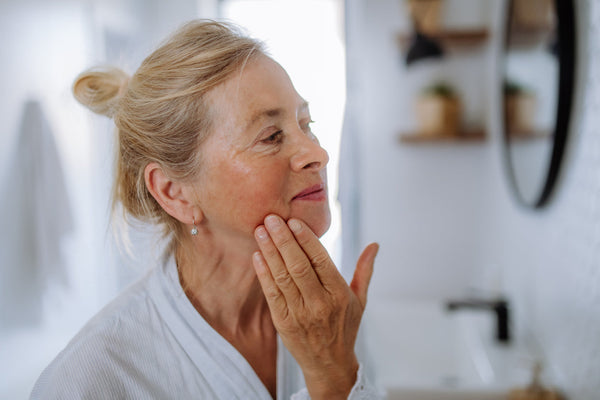
Adult acne, also known as post-adolescent acne, is acne that persists beyond adolescence or appears for the first time during adulthood. It can affect people well into their 20s, 30s, 40s and beyond, and while it’s often associated with hormonal changes, there isn’t always one single cause.
Why Does Adult Acne Happen?
Acne develops when hair follicles become blocked with excess sebum (oil) and dead skin cells. This can create the ideal conditions for inflammation and the development of blackheads, whiteheads and spots. Hormonal changes, or conditions such as Polycystic Ovary Syndrome (PCOS), now known as Polyendocrine Metabolic Ovarian Syndrome (PMOS) to reflect that the condition affects the entire metabolism and multiple hormone systems rather than just the ovaries, can increase sebum production. Other factors such as stress, genetics, certain medications and the skincare or cosmetic products you use can also contribute to breakouts.

Adult Acne vs Teen Acne: What Is the Difference?
While acne is often associated with your teenage years, acne can affect people at any age. Acne that continues into adulthood is often referred to as adult acne, while some people may develop acne for the first time after their teenage years.
During adolescence, hormonal changes associated with puberty can increase sebum production, which can contribute to blocked pores and inflammation. Acne may appear across the face, particularly around the forehead, nose and chin, but it can also affect your chest, shoulders and back. Acne in these areas is completely normal, and there is a range of great products to treat back acne.
Adult acne can affect many of the same areas, although some people experience more persistent breakouts around the lower face, including the chin and jawline. Hormonal fluctuations, stress and changes in skin sensitivity can all play a role, but adult acne isn't limited to one area or type of spot.
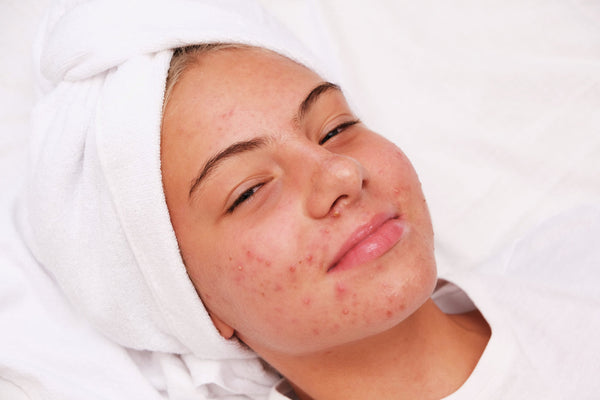
The appearance of acne can also vary. Blackheads and whiteheads (known as comedones), as well as papules and pustules, are common forms of acne. Papules are small, raised and inflamed bumps, while pustules are similar but contain pus, giving them a white or yellow centre. More severe acne can involve deeper, painful nodules and cysts, although these aren’t present in every case of adult acne.
Adult acne can also leave behind post-inflammatory hyperpigmentation or acne scarring after a breakout has healed. You can read more about what treatments work to treat these post-acne issues in our guide to acne scarring and dark marks.
Ultimately, there isn't a single type of acne that belongs exclusively to teenagers or adults. Understanding what may be triggering your breakouts and choosing an appropriate, consistent skincare routine can help you manage acne at any stage of life.
What Causes Adult Acne?
There are a few different factors that can cause adult acne. Genetics, hormones, sebum production, inflammation, lifestyle factors and the products you use can all play a role.
Understanding these potential triggers can make it easier to choose an appropriate approach to acne treatment.
Hormonal Changes
Hormonal fluctuations is one of the factors commonly associated with adult acne in women. Changes in hormone levels can influence sebum production and inflammation, which may contribute to blocked pores and breakouts.
Your menstrual cycle can be one potential trigger, with some people noticing that acne becomes more prominent at certain points in the month. Hormonal changes during pregnancy and menopause can also affect the skin, while conditions such as PMOS can be associated with persistent or hormonal acne.
If you think your breakouts could be hormone-related, there are treatment options available, ranging from topical skincare ingredients to prescription treatments depending on the severity and underlying cause. Our guide to hormonal acne vs fungal acne explores the differences between the two and how they can be managed.
Hormonal changes aren't exclusive to women, either. Testosterone and other androgens can stimulate the sebaceous glands to produce more sebum, which can cause acne in men. This doesn't mean that all acne in men is hormonal, but hormone activity is one of several factors that can influence breakouts.
Stress and Cortisol
Stress doesn't directly cause acne, but it can influence processes in the body that may make existing breakouts more difficult to manage. When you're stressed, your body releases hormones including cortisol, which can affect inflammation and sebum production.
Stress can also indirectly affect your skin. You may sleep less, touch your face more frequently or find it harder to maintain your usual skincare routine when you're under pressure. These factors can all potentially contribute to more noticeable or persistent breakouts.
Managing stress isn't always straightforward, but prioritising sleep, maintaining a consistent skincare routine and making time for activities that help you unwind can support your overall skin health.
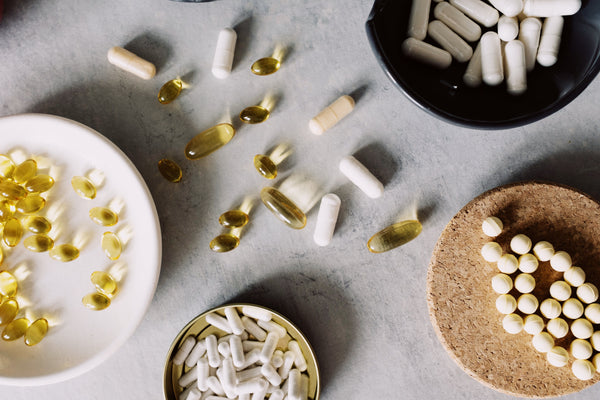
Supplements containing ashwagandha, an adaptogenic which can help reduce cortisol levels, such as Metagenics Ashwagandha, which is a great option. Another option is Sixways Unwind + Recover Mushroom Blend, formulated with ashwagandha, magnesium glycinate and reishi mushroom, all ingredients designed to support restful sleep and reduce cortisol levels.
Lifestyle Factors
Several lifestyle factors may influence acne, although their impact varies considerably between individuals. Smoking, poor sleep and regularly picking or squeezing spots can all contribute to inflammation or make it harder for the skin to recover.
Diet is another area where the relationship with acne isn't quite as simple as some claims suggest. Research has found associations between acne and diets with a high glycaemic load, which can cause blood sugar levels to rise quickly. Some studies have also found a possible association between acne and dairy consumption, particularly certain types of milk, although more research is needed to understand exactly why.
Rather than cutting out entire food groups, it can be more helpful to pay attention to whether specific foods appear to coincide with your breakouts. A balanced diet containing plenty of vegetables, fruit, wholegrains, lean sources of protein and healthy fats can support your overall health and provide the nutrients your skin needs.
There are also plenty of simple habits that can support acne-prone skin. Avoid picking or squeezing spots, cleanse your skin gently and choose skincare and cosmetic products that are appropriate for your skin type.

Why Your Skin Barrier Matters for Acne
Your skin barrier is the outermost layer of your skin and plays an important role in keeping hydration in and protecting the skin from external irritants and environmental stressors. It is made up of skin cells, lipids and natural moisturising factors that work together to help keep water in the skin and support the skin's natural protective function.
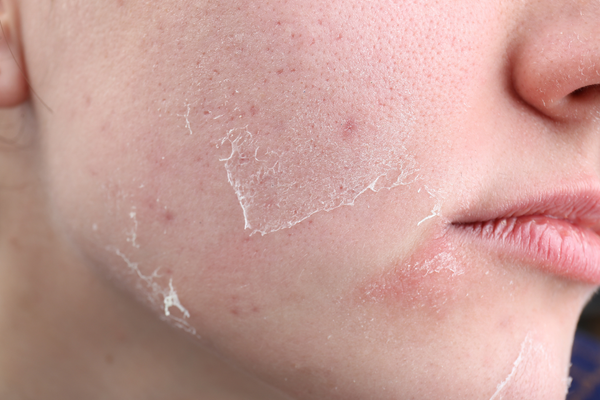
When the skin barrier becomes impaired, it can no longer retain moisture as effectively. This can increase TEWL, where water moves through the skin and evaporates from its surface. As a result, skin may become dry, tight, flaky, rough or more sensitive, and products that were previously comfortable may start to sting or cause irritation.
When your skin barrier becomes impaired, it can lose water more easily through a process known as transepidermal water loss (TEWL). This can leave your skin feeling dry, tight, rough, flaky or more sensitive than usual. You may also notice increased redness or stinging when applying products that previously felt comfortable.
An impaired skin barrier doesn't necessarily cause acne, but it can make acne-prone skin more difficult to manage. Increased dryness and sensitivity can make some active ingredients harder to tolerate, while irritation and inflammation may leave existing breakouts feeling more uncomfortable.
Your skin barrier can become temporarily compromised for several reasons, including over-cleansing, excessive exfoliation, very hot water, cold or dry weather, and using active ingredients more frequently than your skin can comfortably tolerate. This doesn't mean that acne treatments are inherently damaging to the skin barrier. Ingredients such as salicylic acid, benzoyl peroxide and retinoids can all play an important role in managing acne when used appropriately.
The key is finding a balance between treating breakouts and supporting the health of your skin. Gentle cleansing, applying moisturiser regularly and barrier-supporting ingredients such as ceramides, niacinamide and hyaluronic acid can help maintain hydration and comfort alongside your targeted acne treatment.
Rather than choosing between treating acne and caring for your skin barrier, a well-balanced routine can support both. The aim is to manage congestion and inflammation while maintaining your skin’s hydration and reducing unnecessary irritation.
For more advice on supporting a compromised skin barrier, explore our skin barrier repair collection.
How to Treat Adult Acne Without Damaging Your Skin Barrier
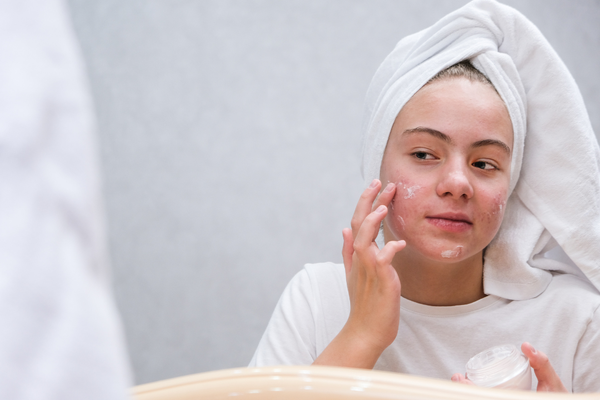
Treating adult acne doesn't mean you need to sacrifice your skin barrier. A balanced routine can help manage breakouts while keeping your skin hydrated and comfortable.
- Use a Hydrating, Non-Comedogenic Moisturiser: Keeping acne-prone skin hydrated can help support a healthy skin barrier, particularly when using active ingredients. Look for non-comedogenic formulas containing ingredients such as ceramides, glycerine or hyaluronic acid. The right moisturiser will depend on your skin type and the rest of your routine. The CeraVe Oil Control Gel-Cream Moisturiser could be a good choice, suitable for oily skin, containing ceramides to provide deep, long-lasting hydration for your skin.
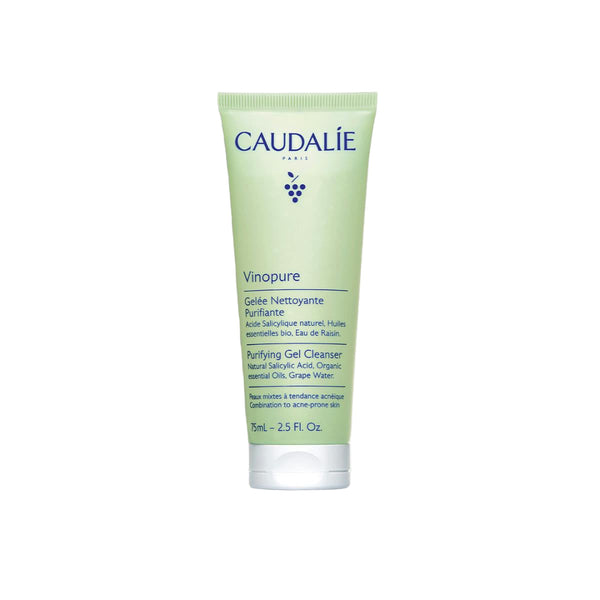
- Use Gentle Cleansers: Cleanse your skin to remove excess oil, makeup, SPF and daily build-up, but avoid products that leave your skin feeling tight or stripped. If you're using an active cleanser containing salicylic acid and notice dryness or irritation, consider alternating it with a gentler formula. Caudalie Vinopure Purifying Gel Cleanser is a good option for sensitive skin, which works to purify the skin without stripping it of moisture, then uses salicylic acid and patented polyphenols to unclog pores and manage sebum production.
- Add Ingredients to Repair and Support Your Skin Barrier: Ingredients such as ceramides, cholesterol and fatty acids help support the skin's natural lipid barrier. Rather than adding lots of individual products to your routine, look for well-formulated moisturisers or barrier-supporting products that combine these ingredients with hydrating and soothing ingredients. OSKIA Rest Day Comfort Cream contains a blend of 16 amino acids to soothe and nurture your skin, it also uses ceramides to replenish and support the skin barrier.

Does Niacinamide Help with Acne?
Niacinamide can be a helpful aid when dealing with your acne-prone skin, but it is by no means a quick fix. This form of vitamin B3 supports your skin long-term by helping to reduce inflammation and redness, reducing sebum production, strengthening your skin barrier and even working to smooth skin and support recovery from post-breakout marks.
While it cannot directly stop breakouts, it can help to regulate sebum production reducing the rate at which pores become clogged and potentially leading to inflammation and breakouts. It can also reduce the redness and sensitivity of your skin, helping it feel more settled.
It can also support your skin’s natural barrier as well, as niacinamide works to increase the production of ceramides, cholesterol and fatty acids, all vital lipids that help support your skin. This increased strengthening of your skin barrier will help your skin retain more moisture by reducing TEWL.
To find out more about how including niacinamide into your skincare routine can support acne-prone skin treatment, read our post on How Niacinamide Works for Acne-Prone Skin.
What Products Work Well with Niacinamide?
Niacinamide also works well alongside many other skincare ingredients, including hyaluronic acid, ceramides and gentle moisturisers. It can also be incorporated into a routine containing acne-targeting ingredients such as salicylic acid or retinoids, although introducing several new actives at once isn't recommended if your skin is already irritated.
How To Use Niacinamide?
As with most skincare ingredients, don't expect overnight results. Consistent use over several weeks is more realistic, and improvements in different concerns can happen at different rates. Alongside helping to support the skin barrier, niacinamide may also be useful for concerns such as excess oil, uneven skin tone and the appearance of enlarged pores.
Can You Wear Makeup if You Have Acne?
Having acne doesn't mean you need to give up makeup. However, some cosmetics and skincare products can clog pores or aggravate existing breakouts, particularly if they're not suited to acne-prone skin. Look for products labelled non-comedogenic, oil-free or won't clog pores, and make sure you remove your makeup thoroughly before going to bed. It's also worth regularly cleaning makeup brushes and applicators to avoid a build-up of oil and dead skin cells.
Can SPF Make Acne Worse?
Daily SPF is still important when you have acne, particularly as some acne treatments can make your skin more sensitive to the sun. If you're worried about sunscreen contributing to breakouts, look for a lightweight, non-comedogenic SPF 30 or higher that's designed for your skin type. You don't need to skip sun protection because you have acne; finding a formula that feels comfortable on your skin can make it much easier to use every day.
A good SPF option if you have acne-prone skin is Bioderma Photoderm AKN Mat SPF 30, formulated with their patented Fluidactiv to reduce sebum production and oily shine without drying your skin out. La Roche-Posay Effaclar Duo+ SPF 30 is another great choice, recommended by dermatologists and specifically formulated for blemish-prone skin.

Patience and Consistency are Key
When supporting our community with acne, one of the most important things we can emphasise is the value of patience and consistency. It's natural to want to see clearer skin as quickly as possible, but changing products frequently or introducing several active ingredients at once can make it difficult to understand what's working and may increase irritation.
Instead, give your routine time to work. Introduce new active ingredients gradually, follow the recommended usage instructions and give your skin time to adjust before deciding whether a product is right for you.
Supporting your skin barrier isn't about stopping acne treatments altogether. It's about creating a routine that your skin can comfortably tolerate over time, combining targeted ingredients with hydration, moisturisation and daily SPF. With a consistent approach, you can work towards managing breakouts while keeping your skin feeling comfortable and supported.
Final Thoughts
There is a range of factors that can cause adult acne, ranging from hormonal fluctuations and lifestyle choices down to the products you use. There isn’t one single best approach to managing your breakouts, but supporting and strengthening your skin barrier can make it feel more manageable.
Kimberley Medd, our clinic manager, says:
“I always encourage our customers to keep their routine simple and consistent. Choose products that target breakouts while also helping to keep your skin hydrated and protected and remember that results take time. Healthy skin isn't about using the strongest products available; it's about finding the right balance.”
If your acne is particularly persistent, painful, and affecting your life, you may also consider seeking out a professional for personalised advice. Here at Face the Future, we have a team of experts ready to assist you; our online skin test offers personalised consultation and takes less than five minutes to complete.
Shop Skin Barrier Support