 AT
 BE
 BG
 CA
 HR
 CY
 CZ
 DK
 EE
 FI
 FR
 DE
 GR
 GG
 HU
 IE
 IM
 IT
 JE
 LV
 LT
 LU
 MT
 NL
 NZ
 PL
 PT
 RO
 SK
 SI
 ES
 SE
 GB
 US
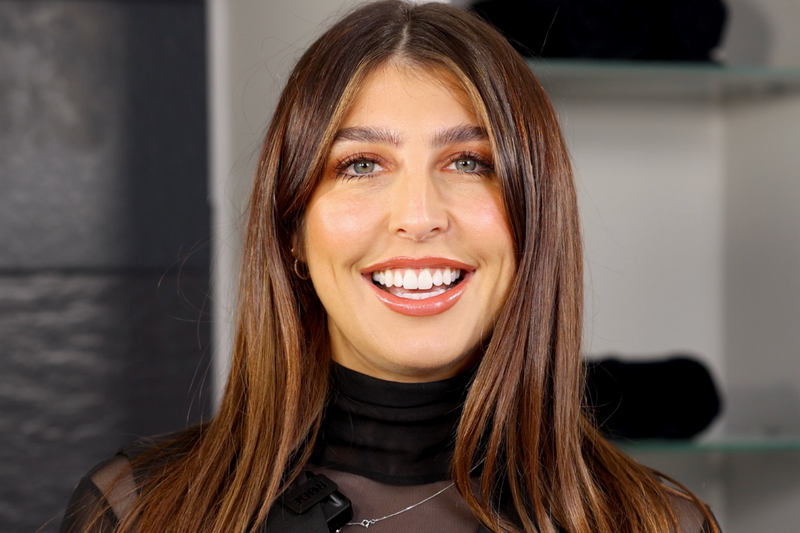
Dr Bernard Ho is a UK-trained Consultant Dermatologist specialising in adult dermatology across all skin conditions. He has a special interest in LGBTQ+ health and the connection between skin health and mental wellbeing, leading the local Skin and Mind clinic under the NHS. Additionally, Dr Ho is a former Chair of the LGBTQ+ Staff Network at St George’s University Hospitals NHS Foundation Trust.
Dr Bernard Ho


Why you wanted to be a part of Face the Future's Dermatology panel?
Joining the Face the Future Dermatology Expert Panel is an exciting opportunity to share dermatology expertise directly with the people who are choosing and using skincare every day. There is so much conflicting information about skin online, and I believe expert, evidence-based guidance has never been more important. I look forward to working with Face the Future and the Skin Health Alliance to provide suggestions that are clear, practical, and relevant to everyone, whatever their skin type or tone.
No results found
Autumn often brings a renewed focus on repairing skin after summer. From a dermatologist's perspective, what does skin actually need to recover from months of increased UV exposure?
Skin does not simply ‘reset’ after summer, because the effects of UV exposure build up over time, so the most important step in autumn is to keep using a broad-spectrum sunscreen every day, both to protect your skin and to reduce visible signs of ageing, as UVA is present year-round. Alongside that, a gentle routine that supports the skin barrier, with a retinol or retinoid introduced slowly if your skin tolerates it, has the best evidence for helping sun-exposed skin. Autumn is also a good time to check your skin for any new or changing moles or patches and to see a healthcare professional about anything that concerns you.
We hear a lot about ‘repairing’ and ‘strengthening’ the skin barrier. Are these terms being used accurately by the beauty industry?
The skin barrier is a real, measurable structure, made up largely of ceramides, cholesterol and fatty acids in the skin’s outer layer, and well-formulated products can genuinely help it function better. The issue is that words such as ‘repair’ and ‘strengthen’ are sometimes used as marketing language without supporting evidence. A credible barrier claim should be backed by measurements such as reduced water loss from the skin, ideally over several weeks of use, so it is worth choosing brands that are open about how they tested their claims.
As people start reaching for richer products in autumn, is there a risk that more moisturising can sometimes be too much for certain skin types?
For dry or eczema-prone skin, richer products in autumn are often helpful, but for oily, acne-prone or rosacea-prone skin, heavier creams can sometimes contribute to flare-ups, and rich, layered routines have been linked with perioral dermatitis. The aim is to match the product to your skin type rather than simply reaching for something ‘thicker’ as the weather turns. In any season, introducing several new products at once also increases the risk of irritation or an allergic reaction, so it is best to make one change at a time.
About the Skin Health Alliance
We're the Skin Health Alliance: the world's leading independent skin health accreditation body. You may have seen our logo on some of your favourite skin and personal care products, which means they have been dermatologically approved by us for meeting our high standards of skin safety and efficacy.
Alongside our product accreditation, we also work with dermatologists, scientists and industry leaders to advance skin health education, support skin disease research, and build everyone's skin confidence.


